Let tourists encounter Goa’s culture

Let tourists encounter Goa’s culture

On the occasion of world tourism day, the centre for social justice and peace (CSJP) has cautioned against narrowing tourism into an exclusive activity.

“Too often tourism is reduced to a one-dimensional flow of people from affluent countries to developing countries, within which visitors view holidays and tourism as an activity that is almost exclusively hedonistic in nature and scope,” said Fr Maverick Fernandes, secretary, CSJP.

In the process of pursuing recreation and rejuvenation, the tourist often misses out on one fundamental aspect of travel: to engage in real encounters with the visited, he opined. “While world tourism day seeks to foster awareness of the importance of tourism and its social, cultural, political and economic value, the challenge in bringing about a fundamental transformation in the arena of tourism should also be addressed by policy makers,” Fernandes added. This year, world tourism day was celebrated with the theme of ‘Linking cultures to establish encounters’.

“The centre for responsible tourism (CRT), a joint initiative of Caritas-Goa and CSJP, is seeking to set back the negative impacts of tourism, and promote healthy patterns of tourism. Tourists should be able to encounter the multiple dimensions of Goan culture,” said Fr Valeriano Vaz, director, Caritas-Goa. “CRT also seeks to encourage responsible tourism by creating a paradigm within which tourism is fair and just to all stakeholders,” he added. “Culture is an inheritance and must be guarded and enhanced through encounters that pave for continual renewal and an appreciation of cultural pluralism,” Vaz said.

Seconding this sentiment, Fernandes noted, “Culture is one of Goa’s most precious assets and tourism must seek to advance itineraries through which there can be an encounter of cultures in all tourism spaces – be they food, music, dance, places of religious pilgrimage, rural life, occupational patterns, all aspects of nature, our hills, flora and fauna, birds, animals, our coastal areas, rivers, artistry, archaeology.”

“The interaction between people of different backgrounds and ways of life represents an enormous opportunity to advance tolerance, respect and mutual understanding,” Fernandes said, citing the message of world tourism organisation secretary general Taleb Rifai.

“It is also important to guard against Goan culture being reduced to a mere commodity,” he cautioned.

TNN | Sep 28, 2011, 02.32AM IST

Link – http://timesofindia.indiatimes.com/city/goa/Let-tourists-encounter-Goas-culture/articleshow/10147690.cms

Posted in Alternative Tourism | Leave a comment

Responsible tourism will sustain tourism in Goa

TOURISM HAS become one of the most important economic activities in Goa thus providing gainful employment for thousands of people. The unique blend of eastern and western culture and its bountiful beauty has made Goa an international tourist destination ever since the first international tourist Vasco da Gama, set his foot on Goas soil.

Generally travellers/tourists do not seek the same place for long as they are always exploring new and better destinations. Hence, Goa should be ready for this eventuality and chart out its route. Therefore, to sustain tourism, all players concerned should work dedicatedly towards this goal, failing which we could very soon see the tourism bubble bursting. The ominous signs are already visible, which have accelerated with the global financial meltdown. My wish list for a sustained tourism industry is as below. This will encompass the ecological and the social factors and the involvement of government agencies to the hilt.

ECO-TOURISM

THOUGH there is a demand for additional rooms in the state, rampant construction activity could mar Goas beauty and, hence, we should plan our tourism expansion appropriately. We have seen that basic infrastructure is not keeping pace with development in the state. Our garbage treatment needs a total overhaul. Our electricity network is miserable and with frequent breakdowns in water supply, a lot of strain is put on the ground water. The sewage treatment facilities are absolutely inexistent except in cities resulting in contamination of ground water in most tourist areas. It is common to blame the hotels for the ills that affect Goa but if incentives are given to hoteliers to be more environmentally friendly, they would always answer the call. Tax benefits should be given to hoteliers who treat their own garbage and strict penalties should be imposed on errant hoteliers. Water harvesting technology should be encouraged and setting up of sewage treatment plants with financial grants be made compulsory to each and every hotel, big or small. With a clean and beautiful Goa, bereft of roadside garbage and leaking septic tanks, no tourist will have to be repeatedly cajoled into coming to Goa.

It is evident that vast tracts of paddy fields are left fallow by farmers due to non-viability of cultivation, finance or land reforms like land to the tiller Act. Fallow land could be put to good use. One option could be to use the same for fodder cultivation, which could benefit cattle and with this we could have a thriving dairy business and that too with organic fodder. We have a deficiency of two lakh litres of milk per day and the same is augmented by neighbouring Karnataka. If we encourage dairy farming, which I am sure any youth will be willing to undertake, we could have another economic activity for which a ready market is already available. Moreover, we could have lush green fields throughout the year.

We should also encourage hinterland tourism where our rich flora and fauna can be enjoyed by the tourists. This will result in more of our people benefiting from tourism. It will not be in our interest to only promote beach tourism exclusively, though they are our diamonds.

Goa was once famous for its vegetables like tambddi bajji (red spinach), mullo (raddish), vaingim (brinjals), etc which were grown in fields after the paddy crop was harvested. This has to be encouraged and the hoteliers should market such products by serving these as traditional dishes which will be relished as tourists are always eager to consume local products.

RESPONSIBLE TOURISM

FOSAM has been quite consistently pursuing a policy on tourism which is called responsible tourism. This has to be encouraged and all players should be encouraged to achieve the goals set by FOSAM.

It has also been observed that tourism comprises of a peak season and an off season. During the off season our youth are jobless for almost five months of the year. The government must back the willing youth by providing them with alternate employment during the off season, in government or quasi-government agencies. This will cut down migration of our youth to other parts of the world for want of continuous employment.

We should not tolerate any activity that violates human dignity of anyone else, e.g. paedophilia, prostitution, sale and abuse of drugs and human trafficking in Goa. The image of Goa has taken a beating in the recent past with aberrations like the Scarlet Keeling murder. This bad publicity has to be reversed and to do so, the police have to take a pivotal role. Such cases, or for that matter any case, have to be immediately looked into transparently so that justice is meted out immediately. This could be facilitated if politicians do not interfere in the investigations and give the police a free hand to book the guilty.

SMALL HOTELIERS

IT is also a forgone conclusion that small and medium scale hoteliers are the highest revenue earners for our state. But, recently, they have found themselves in a financial mess with the global meltdown resulting in tourist cancellations. Most of them are catered to by the charter tourists and most charter guests do not pay luxury taxes as their package is inclusive of everything. Hence, the onus is on the hoteliers to fill up the tax vacuum. Hence, there should be no taxation on charter tourism on small and medium hotels at least for this year.

All unregulated letting of rooms have to be covered under the room availability count. This will help to counter the argument for requirement and construction of additional rooms. An increase in additional rooms will turn Goa into a concrete morass when, actually, there is no demand for additional rooms.

Rent back/time share schemes are a great leakage in revenue. Whilst providing the same services as hotels and by charging the tourists similar or higher rates on rooms and services, they do not pay similar electricity and water tariffs as other registered hoteliers. This results in loss of revenue to the government. This great scandal has to be plugged.

URGENT NEEDS

A tourism tribunal is the need of the hour to address grievances from service providers in the industry as well as complaints from civil society and, wherever necessary, provide a temporary resolution within 24 hours. All permissions for service providers should be given under a single window so that concerned persons do not have to run from pillar to post to get all the permissions.

These are just a few of my thoughts. However, the most important point is that since the government is a not only a partner but a facilitator of tourist activity, it should apply its mind to devise a long-term consolidated tourism policy keeping all stakeholders in mind, be it shack operators, taxi operators, hoteliers, travel agent and other service providers. This will help in resolving innumerable seasonal problems (like shacks and taxi operators  disputes) which keep on recurring year after year resulting in hardships to our esteemed guests and financial and emotional instability to all service providers.

(Although the writer is the president of Federation of Small & Medium Hotels in Goa (FOSAM) and Vice president of Goa Hit Rakhan Manch (GHM), these are his personal views.)

By Serafino Cotta
Goan Observer, Panaji, January 17 – 23, 2009

Posted By : Serafino Cotta, South Goa, India on 22/01/2009

Link – http://www.goaholidayhomes.com/article/responsible-tourism-will-sustain-tourism-in-goa.html

Posted in Alternative Tourism | Leave a comment

Churches in Goa

Churches in Goa

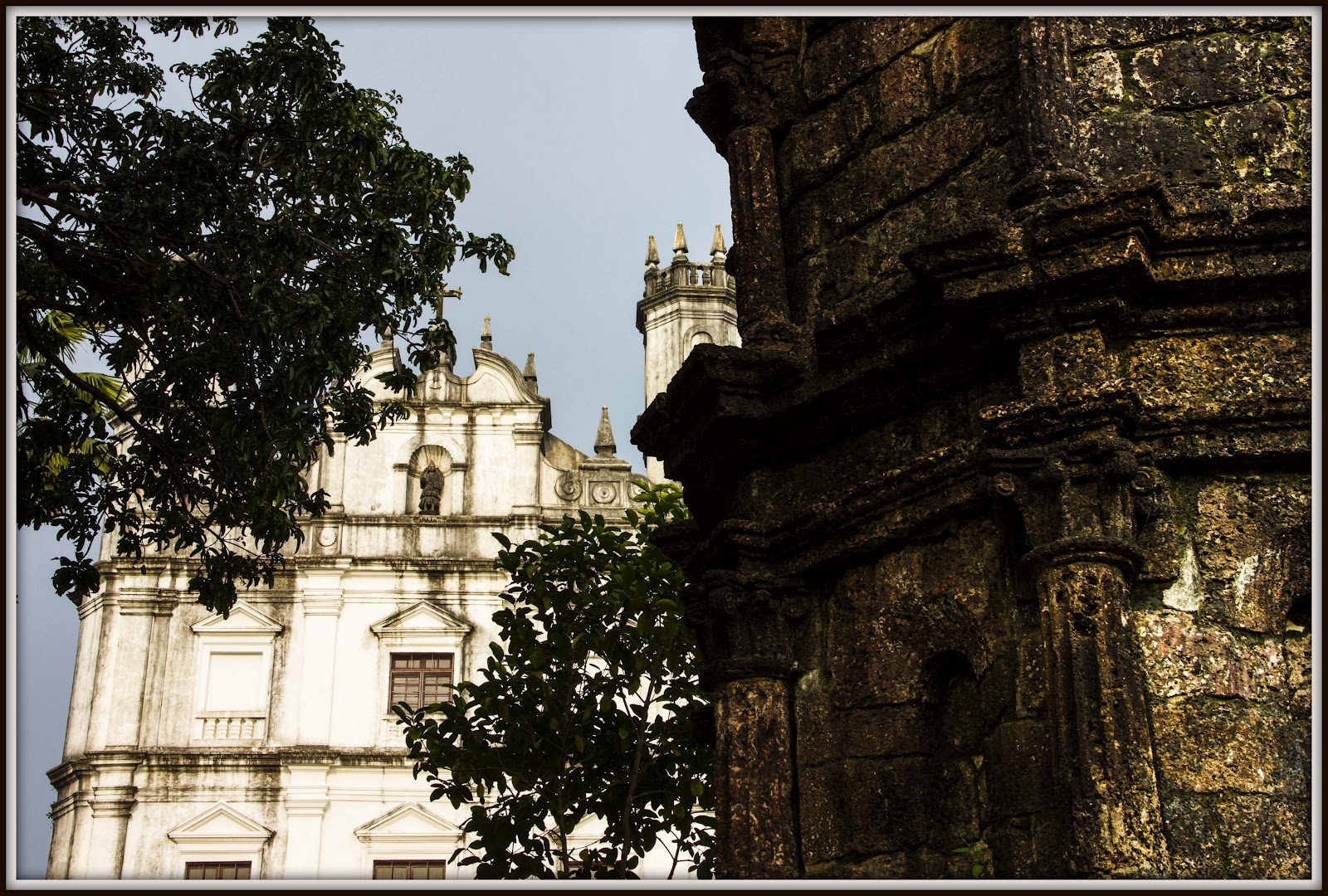
A visit to old Goa is never complete without seeing its beautiful churches and chapels. The Churches and Convents at Velha (Old) Goa owe their existence to the Portuguese rule in this part of the western coast of India.

The most comprehensive group of churches and cathedrals built during 16th to 17th century AD at Old Goa comprise of the following:

Se’ Cathedral, Church and Convent of St. Francis of Assisi, Chapel of St. Catherine, Basilica of Bom Jesus; Church of Lady of Rosary; Church of St. Augustine.


Map you can use to navigate the churches in old Goa

  Since we stayed at Panaji, near the Goa Secretariat, it took us 20 minutes to reach there by driving.The churches are kept open for public on all days from 8:30 AM to 5 PM. Entry is free except for the museums and art gallery. Photography is also allowed inside the churches provided you don’t disturb the peace inside the church and also don’t take photos of people.

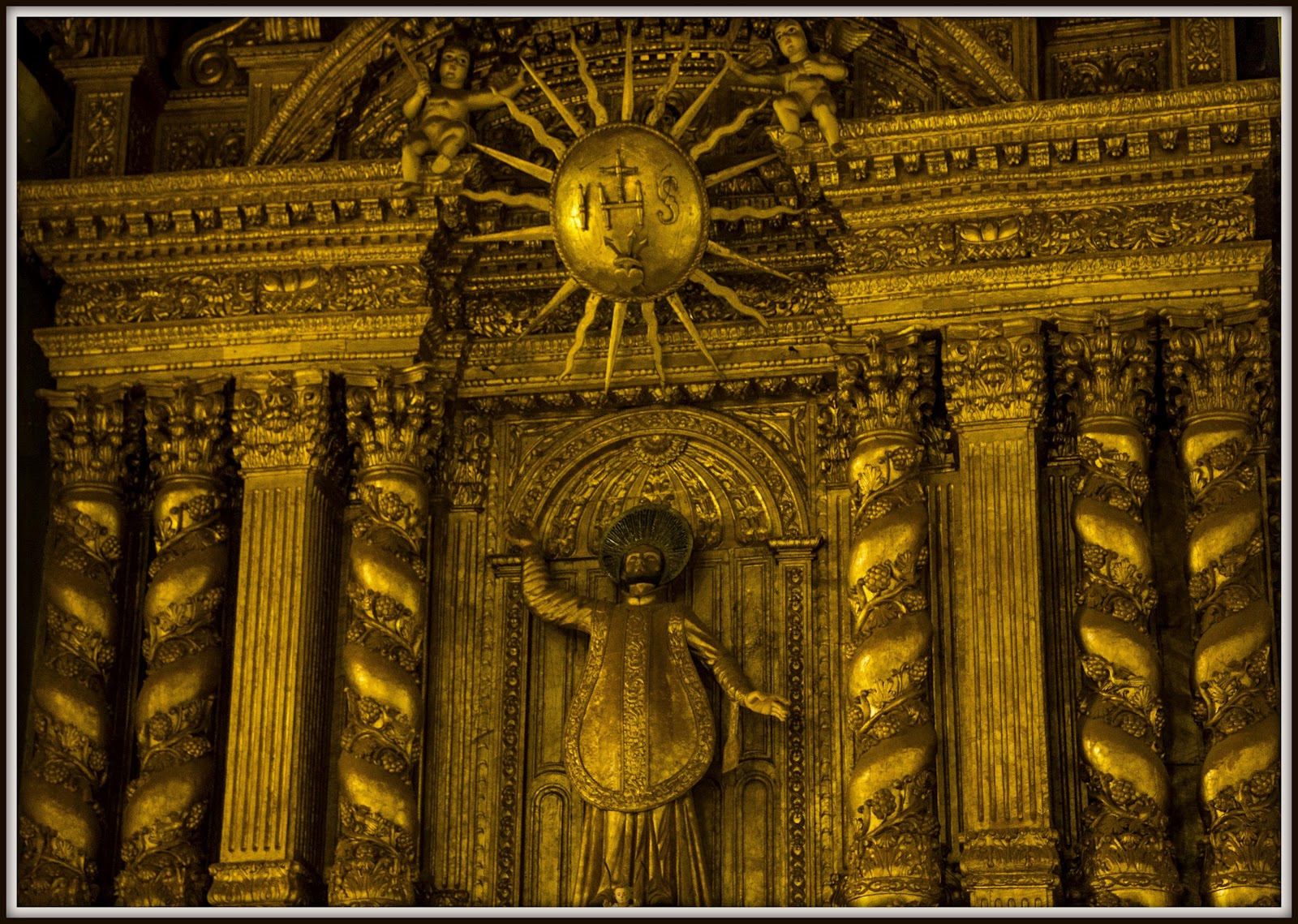
  Se Cathedral and Basilica of Bom Jesus are situated on either side of the main road and both are declared as world heritage site by UNESCO. The Basilica of Bom Jesus is the most famous of all the church  in Old Goa. It contains the relics of St. Francis Xavier, the patron saint of Goa. It was the first church in India to be elevated to the status of a minor basilica in 1946. There is also an art gallery towards the exit of the Basilica of Bom Jesus.

Basillica of Bom Jesus
Main alter inside Bom Jesus Basillica

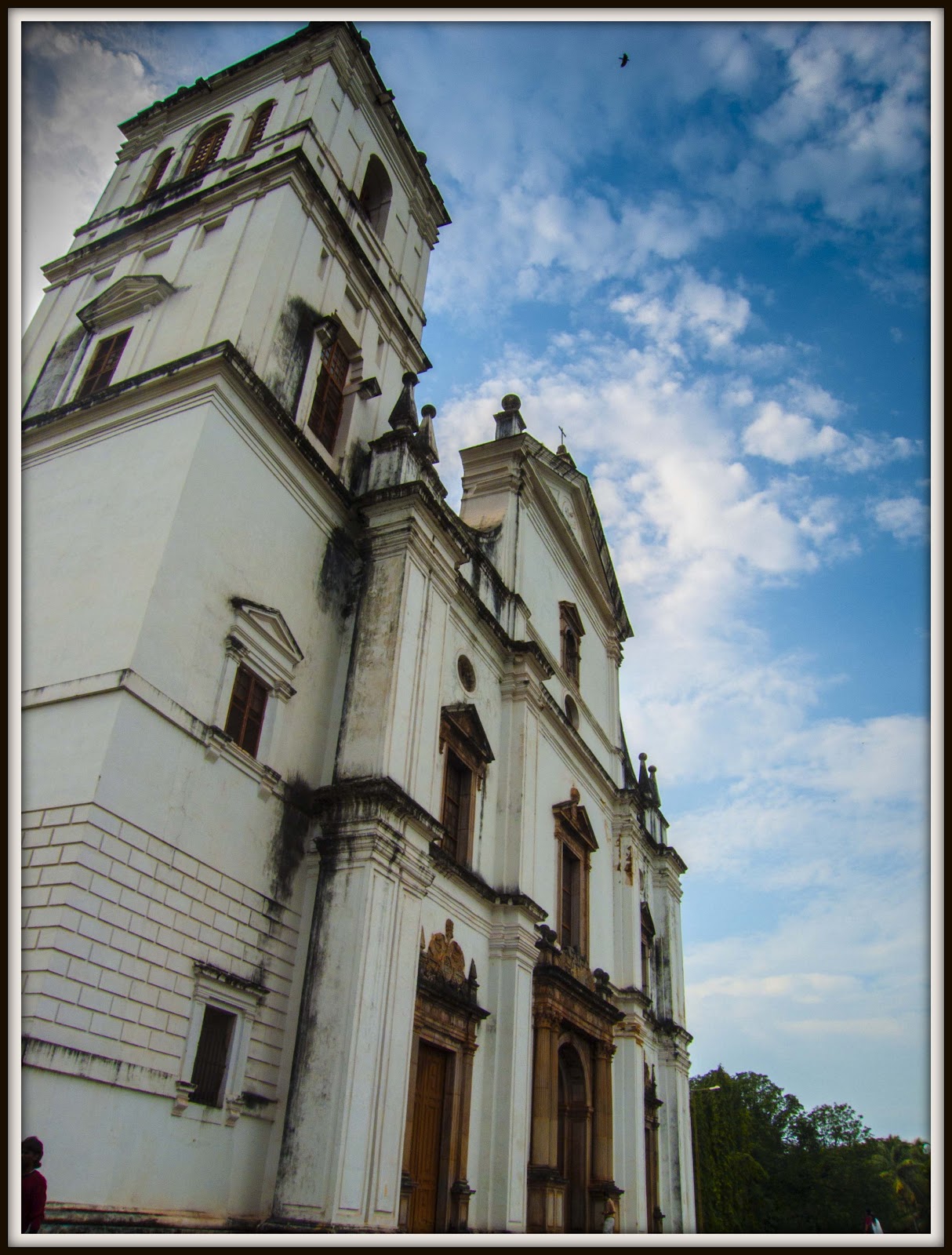
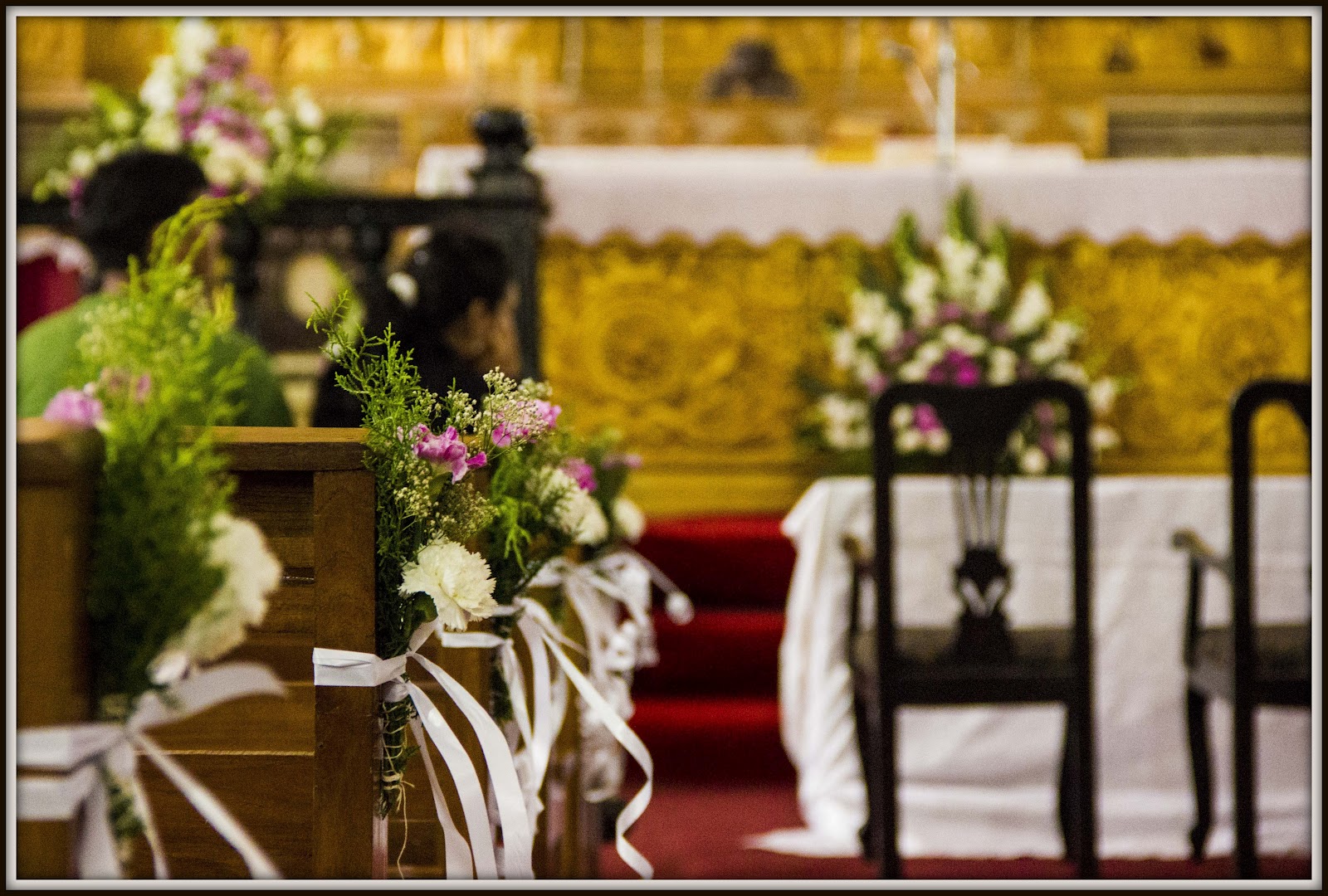
  After seeing Basilica of Bom Jesus we went to Se Cathedral. It is one of the most beautiful church ever seen by us. We were also very lucky to see a couple in their wedding finery who had come to the church with their family and friends to solemnise their marriage.
  

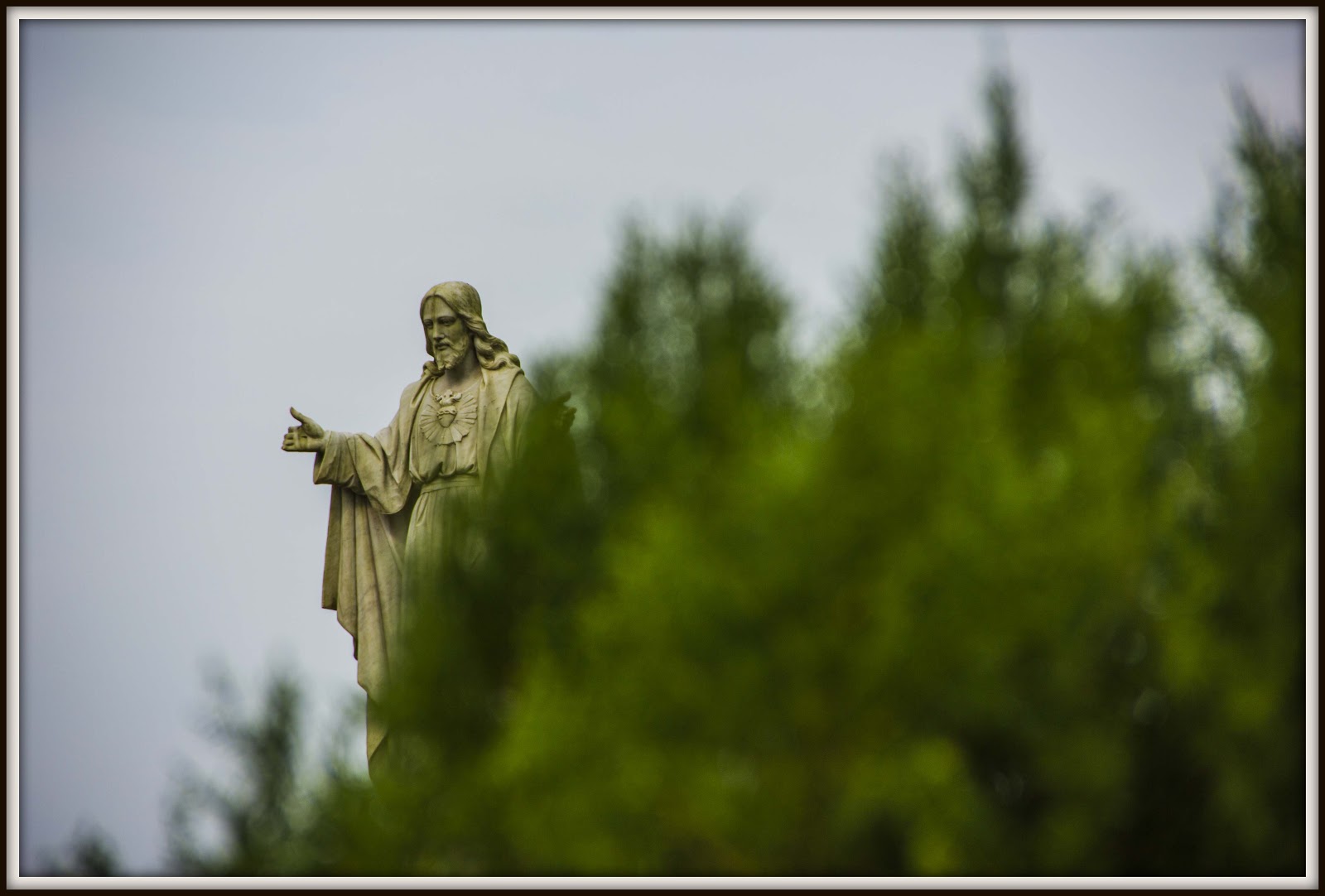
Jesus,SE Cathedral


SE Cathedral


Inside SE Cathedral

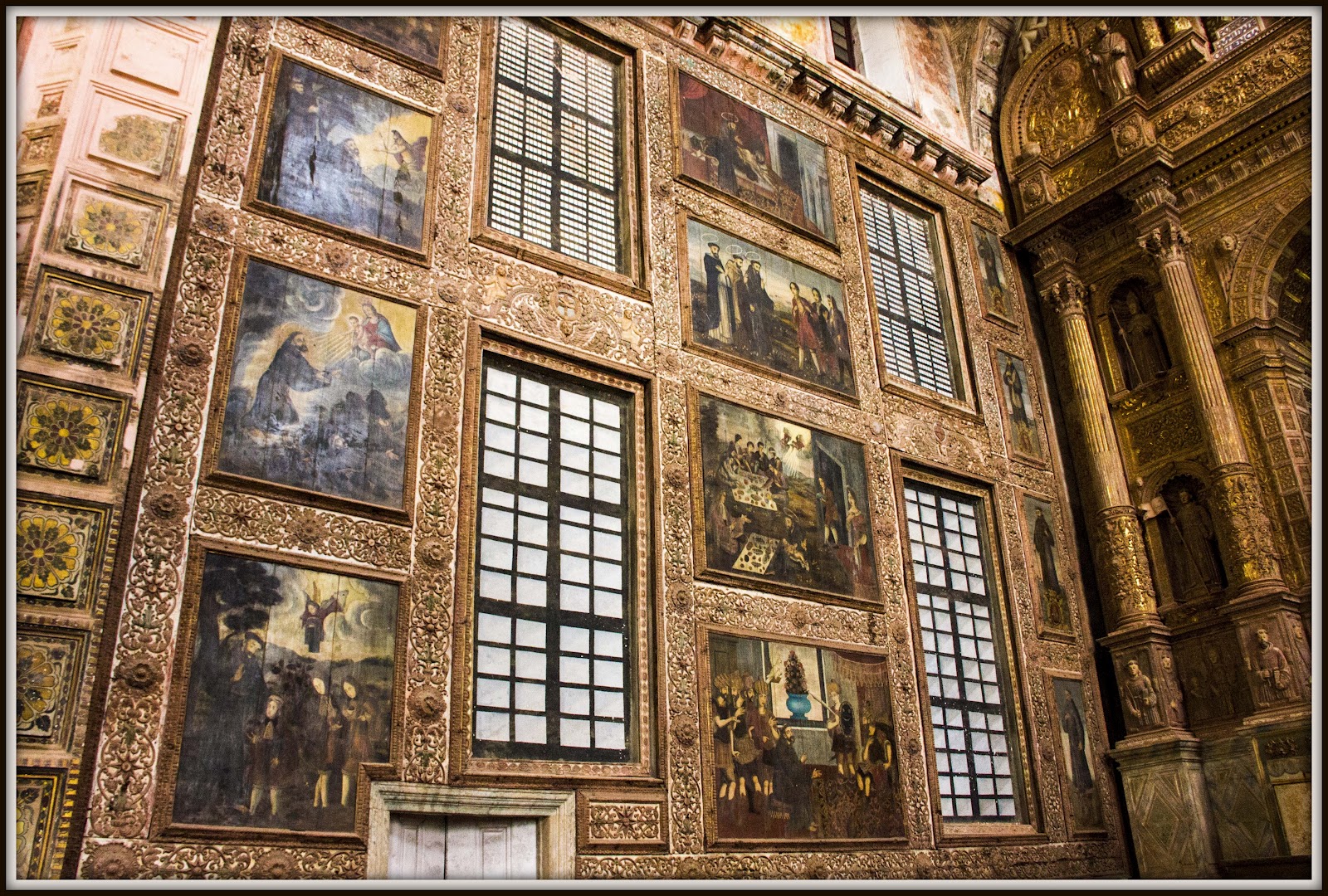
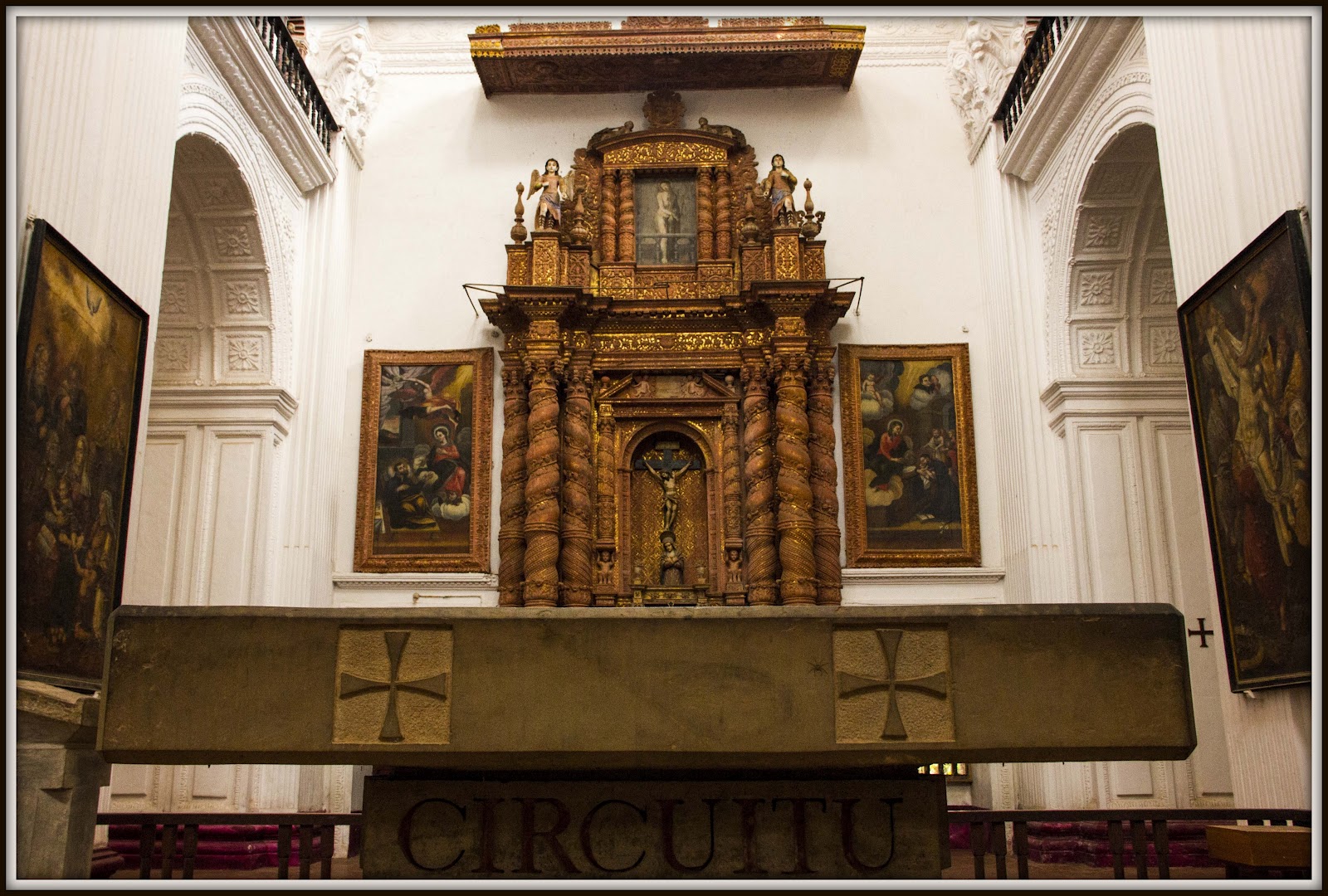
  Then we went to the church of St Francis of Assisi.This church is much much less crowded compared to the other two. The church has beautiful large wood panels of oil paintings, depicting the life of St Francis of Assisi, placed on the walls on either side of the main altar. The convent is housing the Archaeological museum and entry charge is Rs 10 per person.

Church of St. Francis Assisi


Inside the church of St. Francis of Assisi


Pictures on the wall inside the church of St. Francis of Assisi


Pictures on the wall inside the church of St. Francis of Assisi

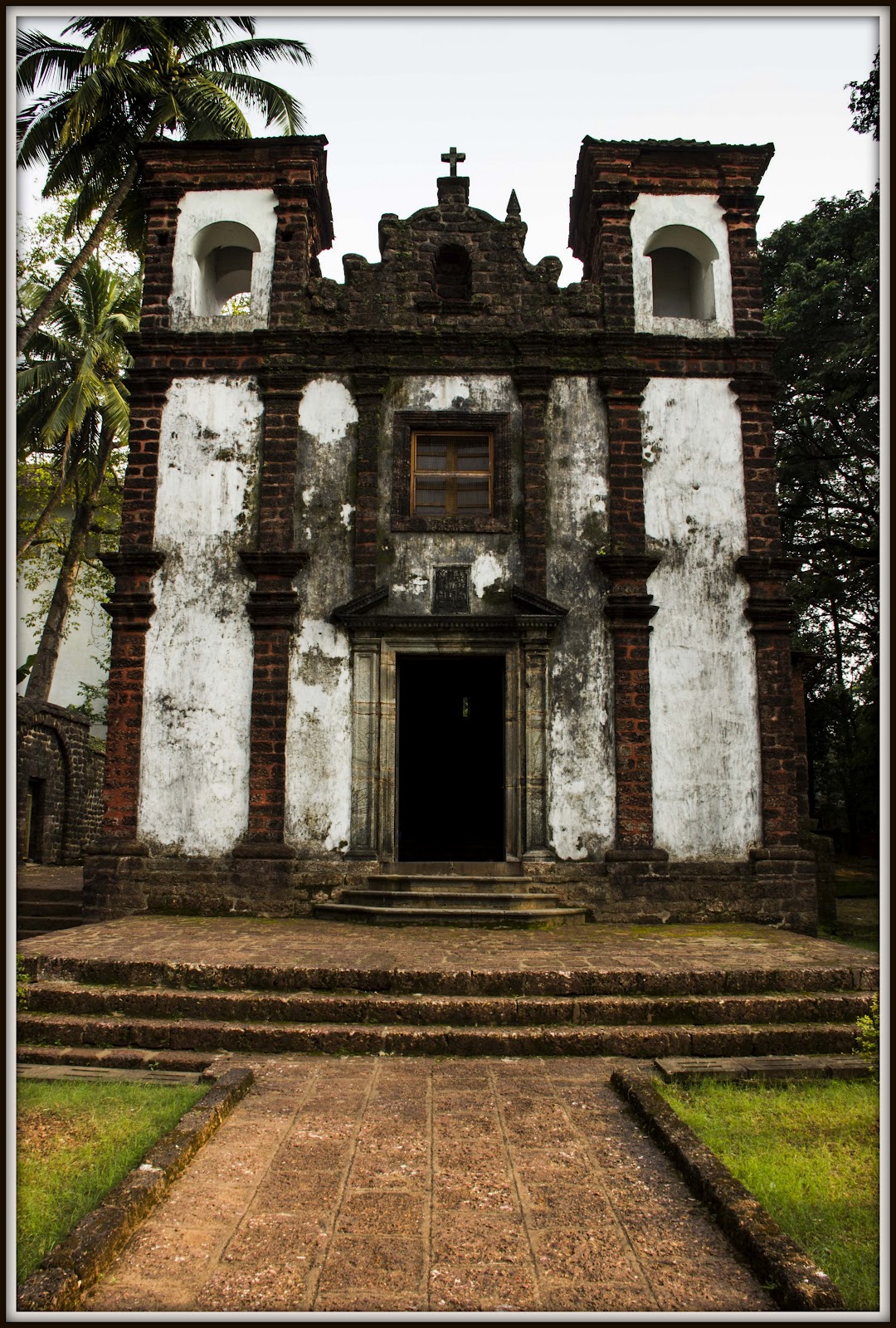
   West to St Francis of Assisi is the Chapel of St Catherine. It is a magnificently built church dedicated to St Catherine and mostly made of laterite. The chapel has a small garden in front of it.

Chapel of St. Catherine

  It took us almost four hours to see these churches and chapels on Saturday. We were terribly hungry when we reached our hotel and so we decided to go to the restaurant first that was on the first floor of our hotel. It was an open air restaurant and we enjoyed our 
high snack while seeing the sunset and the cruise boats on the river Mondovi.

  We decided to see the remaining churches on the next day. Our to-see list included St. Augustine Church, Church and Convent of Santa Monica, Church of our Lady of Rosary, Church of St. Cajetan, Arch of Viceroy and Panaji Church.

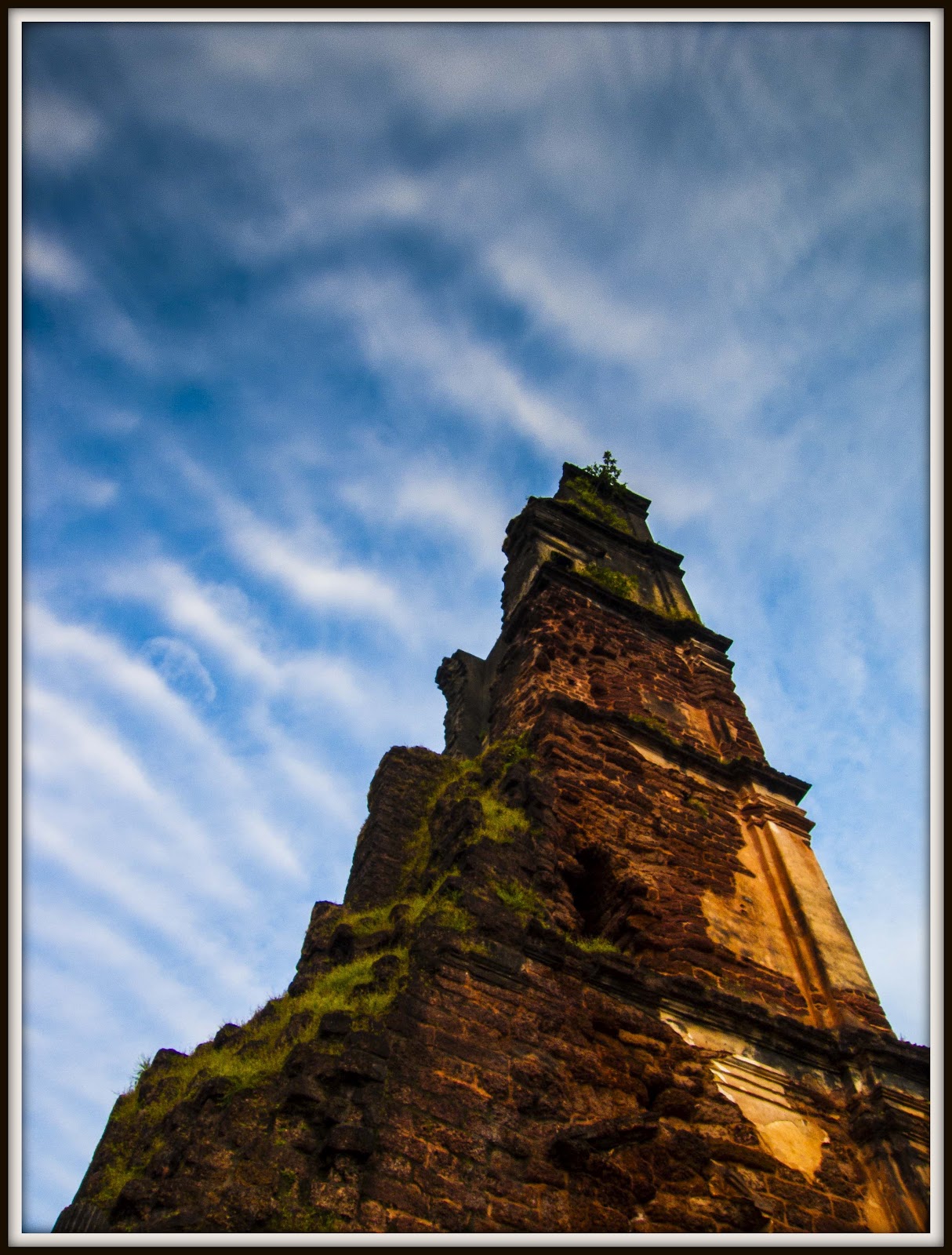
  We drove straight towards St. Augustine Church which is very close to Basilica of Bom Jesus. The church is basically in ruins and has practically turned into an excavation site for the Archaeological Survey of India.There are placards in the courtyard of the church that elaborate about the history and the reasons for its destruction. The Church, when intact, was perhaps the biggest in Goa and that can still be understood from its vastness. There are still a few tiles left on the interior walls of the church.

St. Augustine Church

  We saw Church and Convent of Santa Monica from outside. Next to Santa Monica is the Museum of Christian Arts but unfortunately it was closed on Sunday. A few meters from there is the Church of our Lady of Rosary. This is the oldest surviving church in Goa.

Church and Convent of Santa Monica
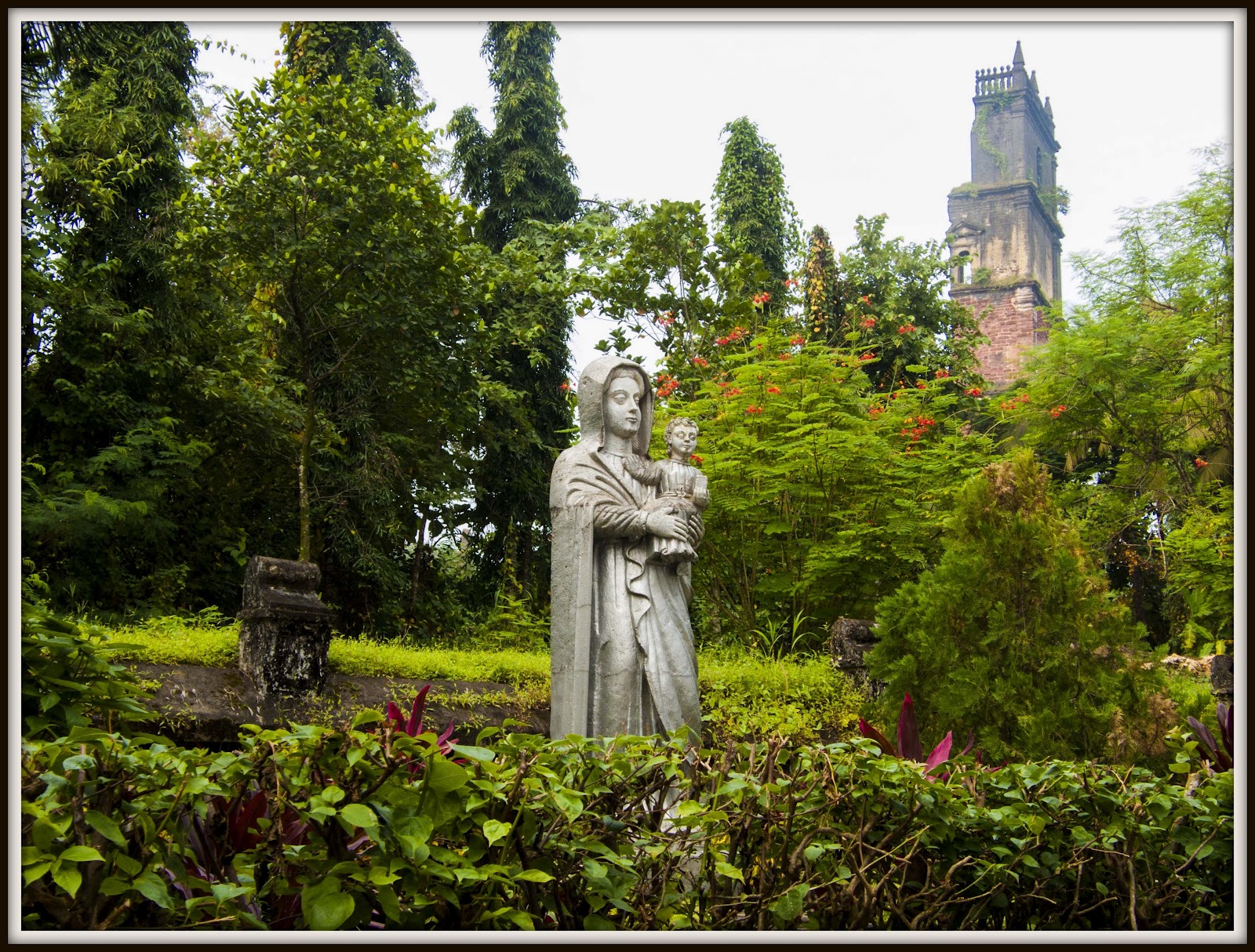
Mother Mary in front of Santa Monica. You can also spot St. Augustine Church in the back.


Church of Our Lady of Rosary

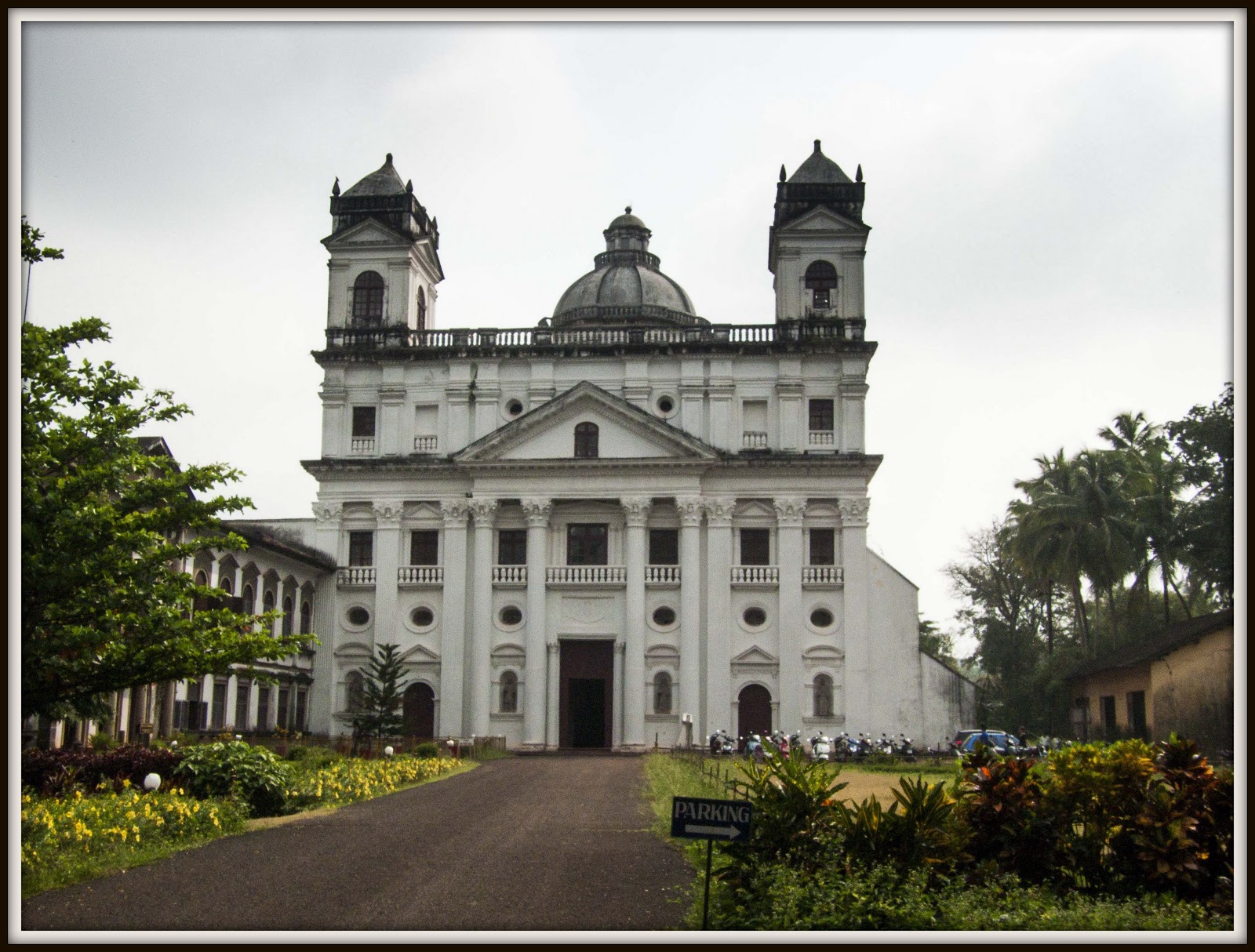
  We then headed towards Church of St. Cajetan. It is a beautiful church built along the lines of the Basilica of St. Peter’s in Rome. Although the church is dedicated to Our Lady of Divine Providence, it has been name after St. Cajetan, the founder of the Order of Theatines. The Church of St. Cajetan is the only surviving domed church in Goa.

Church of St. Cajetan


Inside the church of St. Cajetan

  From Church of St. Cajetan the Arch of Viceroy is hardly one hundred meters.
It was built by Francisco da Gama, the great grand son of Vasco da Gama, who was the governor of Goa from 1597 to 1600. It was built as a memorial to the achievements of Vasco da Gama, the famous explorer. 

Arch of Viceroy

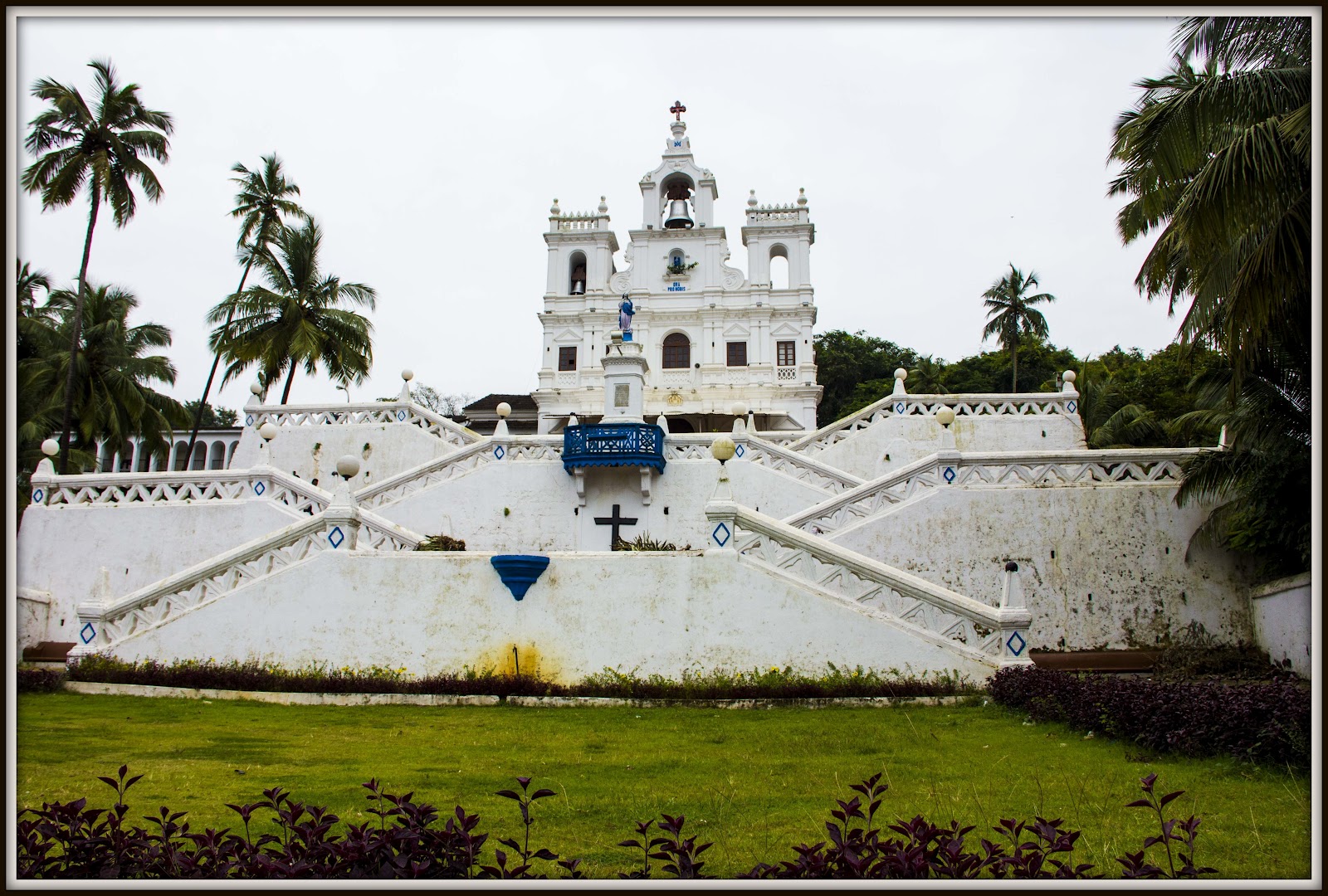
  The last church left for us to see was Panaji Church. The original name for the church is Church of Our Lady of the Immaculate Conception. Locals call it by the name Panaji Church. We drove back to Panaji but we  could only see the church from outside.

Panaji Church

Pictures taken from – http://thetravellerweare.blogspot.in/2012/10/churches-in-goa.html
 

Posted in Churches in Goa | Leave a comment

Beaches of Goa

Forget the beaches of Australia, Thailand or Bali and head to some of the most amazing beaches of Goa. The former Portugese colony boasts of some incredibly scenic beaches that offer everything from parties to adventure, solitude to sunbathing. We list five of the best beaches of Goa.

Mandrem Beach

Situated in North Goa, Mandrem is a tranquil beach and counted among the most beautiful beaches in Asia. Serene and scenic, Mandrem is preferred by honeymooners. The secluded beach provides the much needed privacy for the honeymooners. A sleepy small village, there is nothing much to do in Mandrem. Laze around on the beach or take a swim in the clear waters or visit the eateries to enjoy local food , Mandrem is ideal for do-nothing vacation.

Agonda Beach

Counted among the most scenic beaches in Asia, Agonda Beach is serene and clean beach. It is ideal if you want to spend time meditating, catch up on your reading or simply, enjoying the sun. Agonda is relatively less crowded than the other beaches of Goa. And that means lesser crowds, more privacy and loads of opportunities to enjoy solitude. If you crave for some activity, jump on a country boat and go dolphin spotting. Cabo de rama and Cola beach are also worth a visit

Baga Beach

One of the most popular tourist spots in Goa, Baga is known for its beach parties, nightlife and amazing seafood served at its beach shacks and restaurants. During tourist season, the beach is line with rows of shacks. It is famous for its water sports and dolphin cruises.

Candolim Beach
Situated very near Baga, Candolim’s beach is counted amongst the most beautiful beaches in India. Under the shadow of popular beaches like Baga and Calangute, Candolim escapes the hordes that visit Goa during peak season. Candolim village has another reason to fame. It was the first village to convert to Christianity in the 16th century.

Cavelossim Beach

Situated at the mouth of Sal River, Cavelossim beach is serene, flanked by paddy fields and coconut groves. As most tourists head for the more popular beaches, Cavelossim witnesses less crowds.


Posted in Beaches of Goa | Leave a comment

Temples In Goa

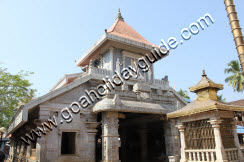
Goan temple architecture comprised of building temples out of black stone and were basically built in Kadamba and Hemadpanti style. Only one such ancient Saraswat temple of Goa exist is that of Tambdi Surla Mahadev. The present day goan temples are a mixture of Nagari, Islamic and Portuguese architecture

Goa having a predominantly Hindu population has many temples. In days of yore, the temple used to be the centre of the village or city, and all the other social, cultural and economic gatherings.

Most of the original temples in Goa in populated areas, were demolished by the Portuguese Inquisition, and devotees migrated to other places with the idols. The original goan temple architecture comprised of building temples out of black stone and were basically built in Kadamba and Hemadpanti style. Only one such ancient Saraswat temple of Goa exists; that of Tambdi Surla Mahadev. The present day goan temples are a mixture of Nagari, Islamic and Portuguese architecture. This kind of architecture is unique in India.

List Of Temples In Goa

The ancient Chandreshwar Temple is situated on the road to Quepem, about 14 kms. from Margao. It is located on the Chandranath parvat, a heavily wooded hill about 350 mt high and is dedicated to an incarnation of Shiva, Chandranath.

Chandreshwar Boothnath Temple, Quepem
The Kamakshi Temple is dedicated to goddess Kamakhya, originally a deity from Guwahati, Assam. She is also known as Parvati andShantadurga, the goddess of peace. The main tower design bears stark resemblance to that of a Buddhist pagoda.

Kamakshi Temple, Shiroda
The Bodgeshwar temple is situated in Mapusa in fields just outside the city locally known as Bodgini. It has a shrine which is dedicated to Kanakeshwar Baba or Bodgeshwar who is regarded as Angavani which refers to one to whom vows are made.

Bodgeshwar Temple, Mapusa
The temple of Goddess Lairai lies 2 kms. from Panaji-Valpoi Highway in the village of Shirigao and is famous all over Goa for the annual zatra. Every year devotees attend the zatra to witness the dhond walk barefooted through the sacred fire.

Lairai Temple, Shirigao
The Rudreshwar temple is located at Harwalem, Bicholim next to the famous Harvalem waterfalls. The temple has been newly built on the site of an ancient one and is dedicated to Lord Shiva aslo known as Rudreshwar.

Rudreshwar Temple, Harvalem
The Mahadev temple of Tambdi Surla is the oldest temple of Goa, that survived Portuguese rule as it was located in a dense jungle. According to folklore the temple has an unfinished look as the Pandavas built it in a single night.

Mahadev Temple, Tambdi Surla
The Mahalsa temple lies in Mardol 9 kms. from Ponda and was shifted here from from Velha conquistas salcette, to avoid destruction during Portuguese rule. Mahalsa is the Mohini form of Lord Vishnu and hence she is referred to as Mahalsa Narayani.

Mahalsa Temple, Mardol
The Mangueshi temple, located at Priol is the most famous temple of Goa and was originally located at Kushasthali (Cortalim). Manguesh is an incarnation of lord Shiva and the Shiva linga inside the sanctum is flanked by dwarpalas (guards).

Mangueshi Temple, Mangueshi
Taken from – http://www.goaholidayguide.com/temples/
Posted in Temples In Goa | Leave a comment

Heritage Of goa

goa-map


Some of the Heritage places of Goa at a glance

OLD GOA – CIDADE DE GOA, VELHA GOA

he story of old Goa begins at a rather modest shrine of Shri Gomanteshwar up in the hills at a distance from the river. The city moved to the banks of the river Mandovi (than called the Gomti) at the end of Kadamba rule. Royal life than revolved around the Saptakoteshwar Temple (where the church of Our Lady of Divine Providence stands today)until the daccan sultans made it their capital and called it Ela.The Portuguese Wrested it from the Adil Shah and began building “The Rome of the East” with churches, chapels, markets, houses and a bustling trading post. The city fell to disease and economic ruin as a consequence of religious persecution and the capital moved to Nova Goa or Pangim (Panaji) in the middle of the 19th century.

PANAJI – THE CAPITAL

The only thing that distinguishes Goa from any other city in India is the 7 km long promenade, built on a planned grid system with a unique storm drain system and perhaps the only city in India that has relocated stone by stone from the capital that fell to disease and ruination. The architectural styles vary from the Goan Domestic Indian Art Deco, Indo European, and Indian Baroque to British Colonial. This place has art combined with functionality. Apart from its architectural wealth the city has a deep treasure chest of cultural patterns and traditions.

SAFA MASJID, PONDA

This mosque was build by Ibrahim Adil Shah of Bijapur. Adjacent to the mosque is a well constructed masonary tank with small dressing chambers with Mihrab designs.

SHRI BRAHMANI TEMPLE, TOLDEM, SANGUEM

This temple is dated in the 12th century and has been built in the Hoysala or kadamba temple style of architecture. There are some erotic sculptures on the walls of the temple and some Graeco Persian mythical figures, animals, birds, etc.

CHANDOR HERITAGE, VILLAGE

Visit Our Lady of Belem church for period furniture and statuary, the twin mansions of the Braganza-pereira families and the heritage home of Sara Fernandes for a look and feel of Goa’s colonial past. You can see Goa’s oldest Fort wall, ruins of the 11th century Shiva temple dating to the Kadamba Periods.

KHANDEPAR CAVES

This cave may have been a pre-historic shrine in active worship once and is now a state protected monument.

SAPTAKOTESHWAR TEMPLE AT NARVA, BICHOLIM

Originally located on the island of Divar in the hamlet of Narva since construction by the Kadamba Queen Kamladevi in 1155 A.D, it was destroyed by the Portuguese in 1541 when the deity was shifted across the river to New Narva Bicholim. Shivaji renovated this temple in 1668.

SHRI MAHADEV TEMPLE, TAMBDI SURLA

This temple standing in the midst of a dense forest may date back in the 12th or 13th century A.D. It was built of black basalt stone masonry with no mortar used for bonding and has monolithic pillars. Facing the east the temple is raised on a plainly moulded plinth.

SANTANA CHURCH, TELAULIM

One of the five models after which all the churches and chapels followed suit, this one perhaps is the most fascinating church of all.


Posted in Uncategorized | Leave a comment